Evidence, not hype
Contrast therapy is an ancient ritual with a growing body of modern research behind it. Here is an honest look at what the evidence shows. And if you only want to know what it feels like, the short version is: warm, bracing, then seriously good.
The big picture
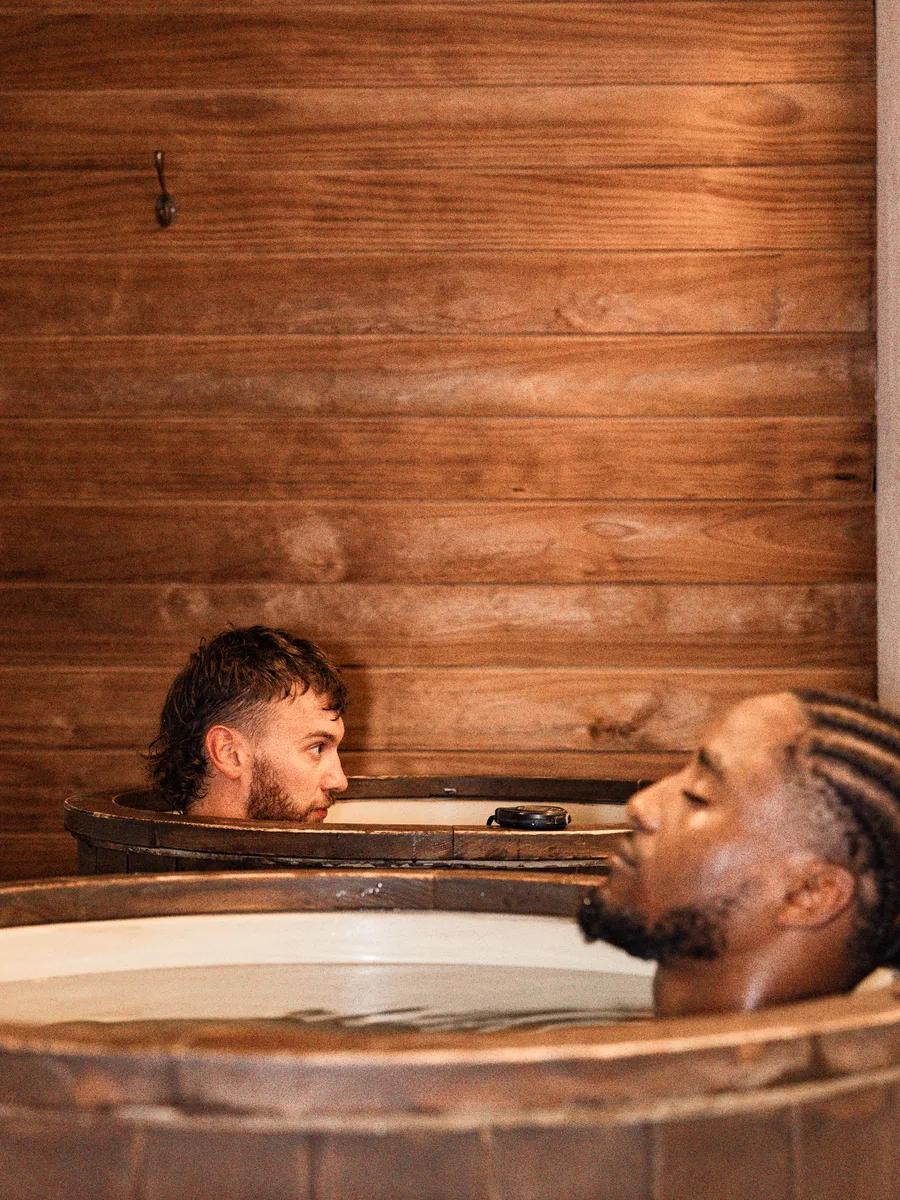
Contrast therapy is the practice of moving between heat and cold: time in a sauna, then a plunge into cold water before resting and doing it again. People have done this for centuries and not only in Finland, where sauna is an everyday habit rather than a luxury. Russians follow the steam of the banya with snow or an ice hole, Japanese bathing culture pairs a hot soak with a cold rinse, and Native American sweat lodges built ceremony around intense heat. The modern version now increasingly popular across the UK and Europe works the same way and the principle has not changed. Each round puts a brief controlled stress on the body and the body responds by adapting: heart rate rises in the heat much as it does in moderate exercise,[6] blood vessels open and tighten as the temperature swings and the nervous system gets repeated practice at calming itself down after the shock of the cold water.
At Pulse Club most of our sessions last 75 minutes which comfortably gives enough time for three or four rounds of sauna and plunge. Most of the strongest research findings come from people who do this regularly over months and years which shapes the honest headline of this whole page: one visit feels wonderful and a habit is where the measurable benefits live.
The most striking evidence comes from a long-running Finnish study that followed more than 2,000 middle-aged men for around two decades. Compared with people who used a sauna once a week, those who went four to seven times a week had a markedly lower risk of fatal heart disease and sudden cardiac death.[1] Regular sauna use has also been linked with a lower chance of developing high blood pressure,[2] and later work extended the lower cardiovascular-death association to women as well as men.[6]
These are observational studies, so they show a strong association rather than proof that sauna alone causes the benefit. But the pattern is consistent, and it is dose-dependent: more sessions, stronger association.
In the same research, the most frequent sauna users had notably lower all-cause mortality.[1] Sauna use has separately been associated with a lower risk of stroke[3] and in one cohort lower rates of dementia and Alzheimer’s disease.[4]
“The single biggest factor is regularity. A one-off is lovely. A weekly habit is where the research points.”What the evidence keeps showing
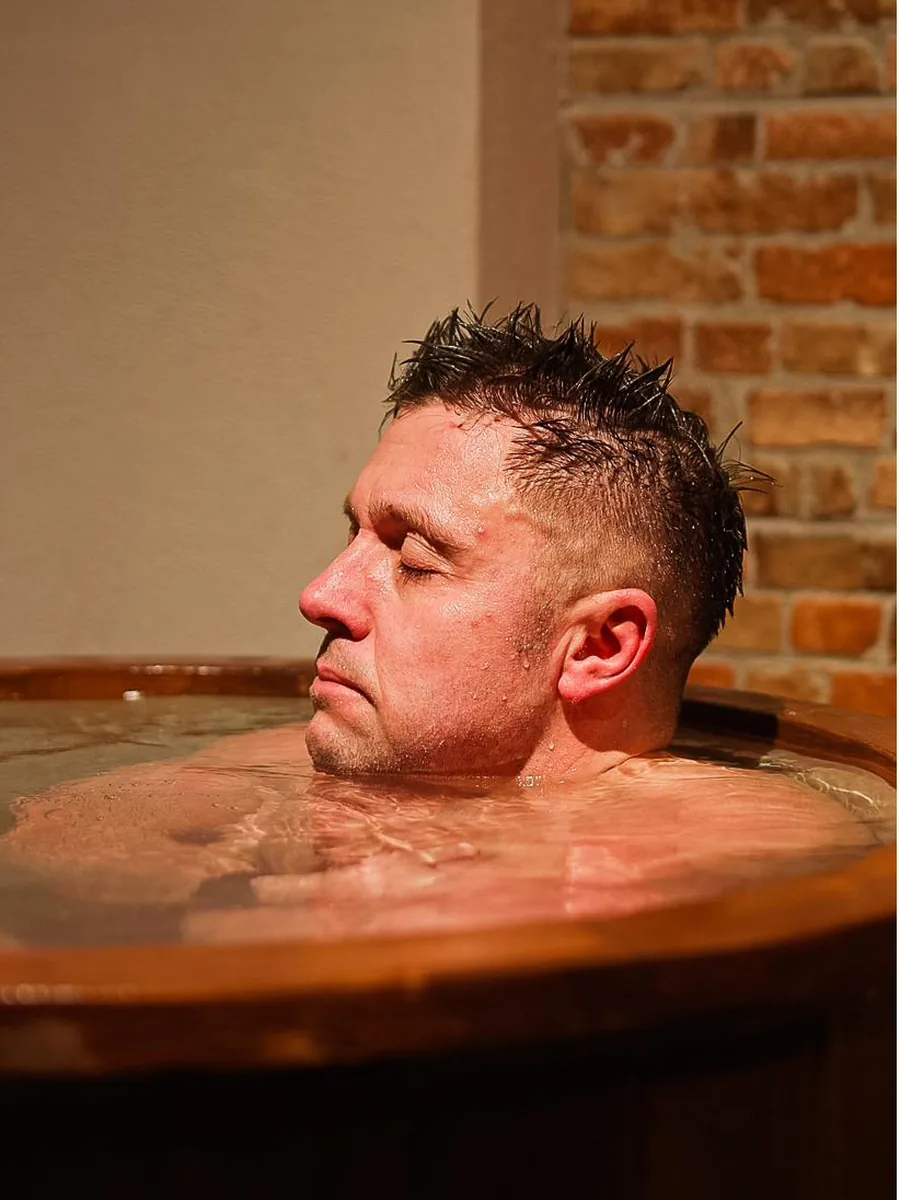
Cold-water immersion is one of the best-studied recovery tools there is. After hard exercise a cold plunge can reduce the muscle damage, swelling and soreness that follow, helping you feel better the next day.[5] Of everything on this page this is the benefit with the most direct, hands-on trial evidence behind it.
A 2025 review pooling data from more than 3,000 people found cold-water immersion was followed by a meaningful drop in stress around twelve hours later, plus improvements in sleep quality and overall quality of life.[5] A smaller Dutch trial found people who finished their daily shower cold took nearly a third fewer sick days off work.[7] Many people also describe feeling clear-headed and energised afterwards: part physiology and partially because of the plain satisfaction of doing something hard and challenging.
Alternating between the heat and cold sends blood rushing to the skin and back, a workout for your circulation. That fresh, oxygen-rich blood is why so many people leave looking flushed and feeling refreshed. It is a real effect best thought of as circulation and wellbeing.
Plenty gets promised in the name of heat and cold, so it is worth saying what we won’t claim. Sweating does not “detox” you; your liver and kidneys already have that covered. Neither the sauna nor the plunge is a weight-loss tool: any drop on the scales after a session is water. And if building muscle is your main goal then timing matters: one strength-training study found that plunging immediately after lifting can blunt some of the muscle-building signal.[8] Plunge on rest days or leave a gap after the gym and you keep both benefits.
Although you will feel better after one visit we recommend trying to build regular contrast therapy sessions into your routine which is where you will really feel the benefits. In each session move between the sauna and the plunges at your own pace, listen to your body and rehydrate between rounds. You do not need to last long in the cold to feel the effect: even short, regular dips count. New to it? Come alone or with a friend, pick a silent or social session and ease in. If you are ready to make it a habit then a membership is the cheapest way to come regularly.
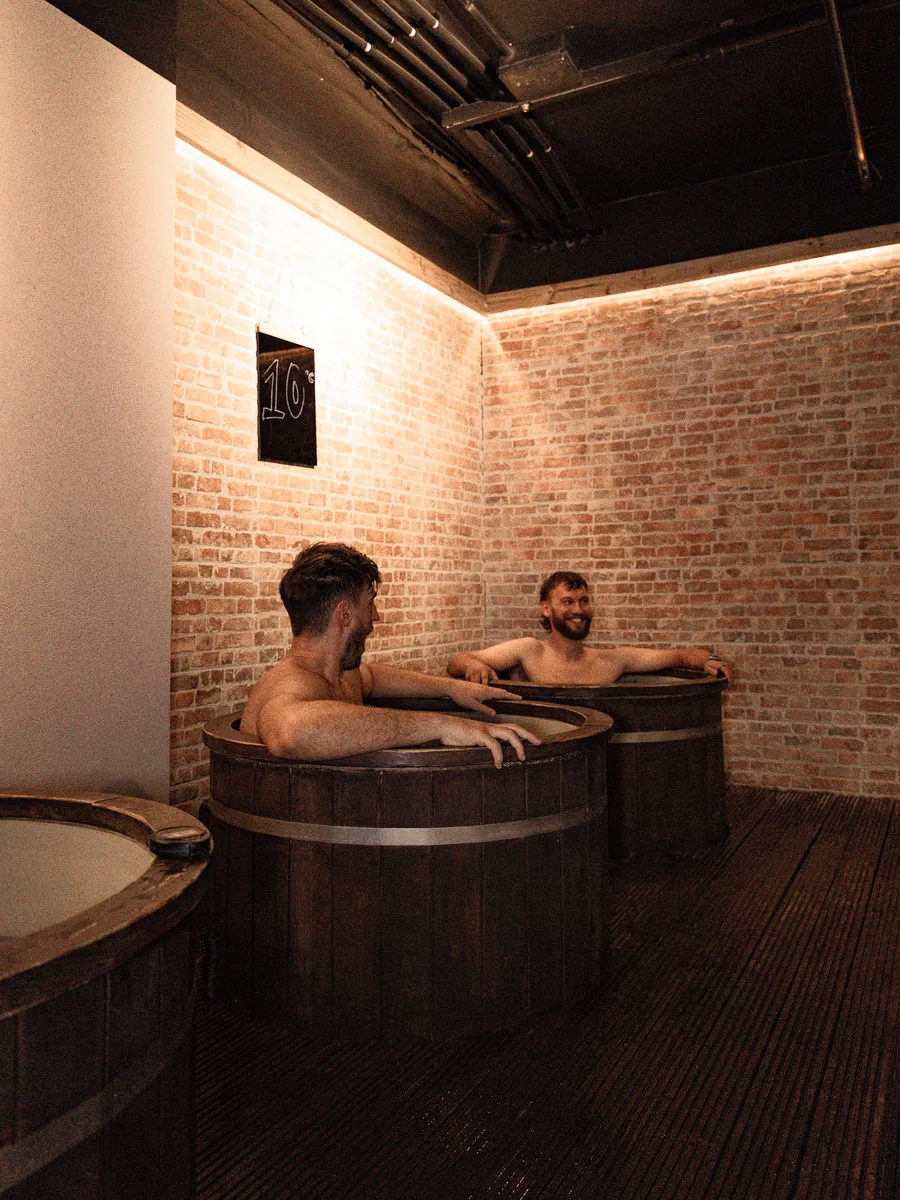
We have two dedicated sauna and cold plunge clubs: one in Fulham, a short walk from Fulham Broadway and one in Putney on Upper Richmond Road, near Putney and East Putney stations. Each has a large bespoke Finnish style sauna and four cold plunges chilled to between 3 and 10°C, with towels, showers and lockers provided. Sessions are mixed, swimwear is worn at all times and we have a friendly and welcoming atmosphere open to everybody. The easiest way to try it is our intro offer, your first three sessions for £39.
For most healthy people, yes, when it is done sensibly: enter gradually, keep early dips short, and never plunge alone after alcohol. Cold water is a genuine shock to the system, so if you are pregnant or have a heart condition, high blood pressure or another medical condition, talk to your doctor first.
The research keeps pointing the same way: regularly beats occasionally. A weekly session is a strong start, and the largest sauna studies saw the biggest associations at four or more sessions a week. Build up at whatever pace suits your life.
Most people warm up first: sauna, then plunge, then rest, then repeat. There is no rule, though. Some love finishing on the heat; on a summer day some skip straight to the cold. Experiment.
Far less than you think. Thirty seconds to a couple of minutes is plenty, especially at the colder end of our 3 to 10 degree range. Getting out feeling clear and bright beats gritting your teeth to some imaginary target.
Yes. Everyone in the plunge next to you had a first time too. Tell the team you are new and they will talk you through it and you stay in control of every round. The 75 minutes are yours.
Three sessions for £39. No membership, no commitment.
This page is for general information and is not medical advice. The research described is largely observational and individual results vary. Always consult a qualified healthcare professional before starting sauna or cold-water immersion, particularly if you are pregnant or have any heart, blood-pressure or other medical condition.